Burns Project, co‑created by the National Trust for Scotland and a team of contemporary Scottish artists and theatre professionals, blends artistic interpretation with historically grounded research to create an intimate encounter with Robert Burns. Set within the meticulously preserved interiors of an 18th‑century Edinburgh townhouse, the production uses the museum itself as both stage and character. So writes Alena Shmakova for theQR.co.uk…
With so much already written, staged, and theorised about Burns, the challenge is no longer simply to portray him but to justify why another portrayal is needed. The Burns project is not the first attempt to move beyond the traditional, sanitized image of Scotland’s national bard. Alan Cumming’s Burn, which premiered at the 2022 Edinburgh International Festival, explored similar terrain – Burns’ personal struggles, creative impulses, and inner demons.
That production, described as a ‘shipwrecked storm of the psyche,’ relied on large‑scale staging and sophisticated technology to conjure a turbulent psychological landscape. With deft direction from Cora Bissett, The Burns Project takes a different path. Its collaboration with the National Trust for Scotland allows it to become truly immersive, embedding the audience directly into the world Burns might have inhabited, supported by the comprehensive research and the poet’s own writings. Writer & performer James Clements carries the responsibility of giving the poet both voice and physical presence in this one‑hour, actor‑narrator piece.
The Burns Project takes a different path. Its collaboration with the National Trust for Scotland allows it to become truly immersive, embedding the audience directly into the world Burns might have inhabited, supported by the comprehensive research and the poet’s own writings.
The performance unfolds in the Georgian House dining room, evoking the kind of refined drawing rooms depicted on illustrations of the similar evenings in the Duchess of Gordon’s Edinburgh residence or Lord Monboddo’s house. Being intimately familiar with the space, I was curious to see how it could function as a stage. The design team, Lee Davis and Jenny Booth, supported by Production LX, used it with ingenuity. The dining table remains a silent witness, as it once would have been, to the debates of Edinburgh’s Enlightenment circles. The props, though minimal, carried a surprisingly rich metaphorical weight.
Elle Taylor’s lighting design initially jarred for me. The small modern projectors felt at odds with the candlelit museum interior. Yet as the performance progressed, the lighting settled into its role, providing a visual cohesion that supported the theatricality without overwhelming the historical setting.


Burns is unimaginable without music, and Lisa Rigby’s multi‑instrumental contributions elevated the experience within the constraints of a museum environment. The mandolin lent a rustic timbre to Burns’ earthiness; a bluesy undertone surfaced at moments that hinted at his sensual charisma. The shruti box, with its organ‑like resonance, evoked the presence of the church, an institution that loomed large in Burns’ life and in 18th‑century Scotland. Layered with audio recordings of interviews, the soundscape created the murmur of a society reacting to Burns’ sudden emergence.
The audience, too, becomes part of the set, transformed into guests encountering a working‑class prodigy within aristocratic surroundings, some eager to engage, others less so. At times, the sheer intensity of Clements’ performance felt overwhelming, and the strict ‘do not touch’ rule made my own movements feel constrained, as though I were both participant and intruder.
A note on Clements’ acting: opening a door and stepping into Burns’ boots may seem simple, but it carries the burden of a national myth. Burns’ image, immortalised by Naismith and endlessly reproduced on souvenirs, creates expectations any performer must navigate. Clements meets this challenge through authenticity: his Glasgow roots, his accent, his family background, and the rigorous vocal coaching behind the role. His Burns is not an impersonation; it is a presence.
The audience, too, becomes part of the set, transformed into guests encountering a working‑class prodigy within aristocratic surroundings, some eager to engage, others less so. At times, the sheer intensity of Clements’ performance felt overwhelming…
I have never felt Burns more alive.
The remaining Scottish dates are virtually sold out, and I wish the Project every success as it embarks on its next chapter in the United States. Should it return to its alma mater, or should tickets become available now, secure your ticket immediately – this most intimate of stagings creates a one‑of‑a‑kind experience, unforgettable and profoundly personal.
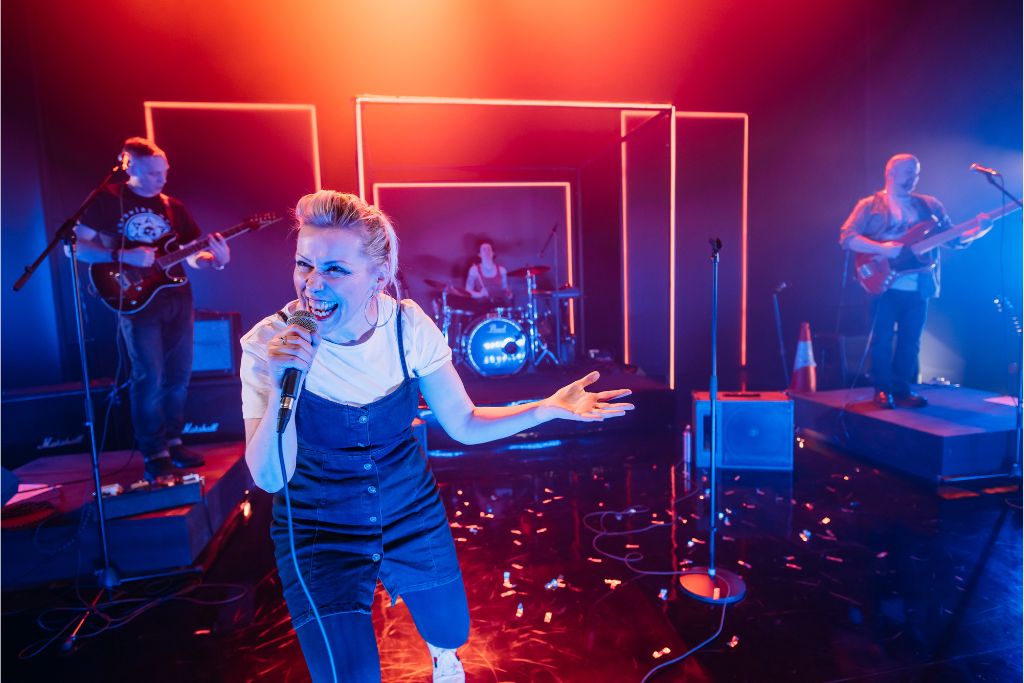
Featured Image: The Burns Project_Edinburgh Fringe 2025_July 31, 2025_Photo credit Kat Gollock
Details
Show: The Burns Project
Venue: The Georgian House, Edinburgh (and tour)
Dates: 17th–25th January 2026
Running Time: 60 minutes
Age Guidance: 14+
Admission: From £18,58
Time: Varies by date
Accessibility: No level access to the venue


 By
By
 By
By
 By
By